The Word “Migration” Makes People Nervous
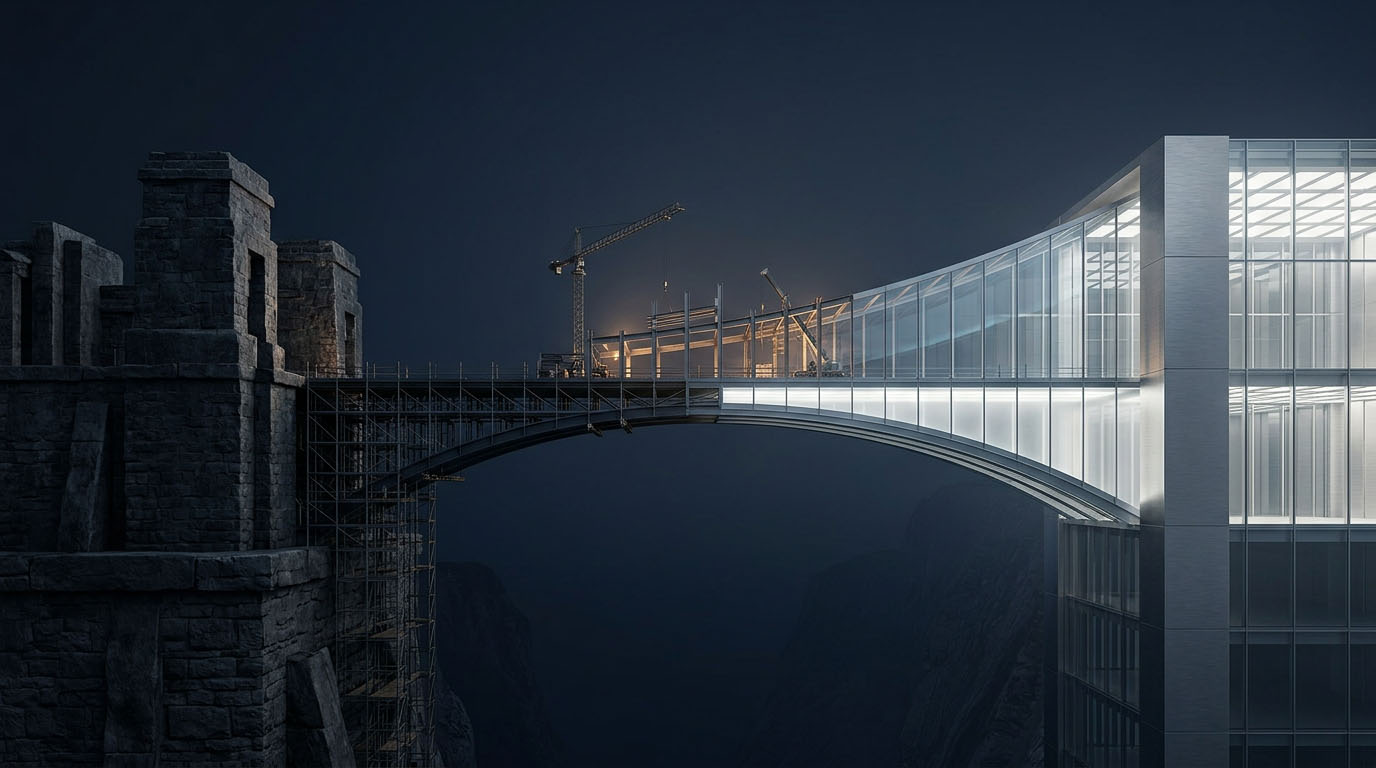
It shouldn’t. Moving a straightforward small business site to a modern stack is closer to a renovation than a move. Your address doesn’t change. Your content stays. Visitors never notice. What changes is what’s happening under the hood.
Here’s how we actually do it.
Step 1: Audit and Scope
Before any code gets written, we look at what exists. What pages does your current site have? What does it actually use? Forms, a blog, any custom features. Anything that needs updating along the way? This conversation takes about 30 minutes and shapes everything after it.
Step 2: Design Carryover
We’re not redesigning from scratch. We’re translating what you have into a cleaner, faster version of itself. If there are improvements to make, and there usually are, we make them now. Not later.
Step 3: Build
Using Claude Code and Cursor, we build the new site in a clean modern codebase. This is where the AI tools do the heavy lifting on the technical side. We’re reviewing and directing the whole way through. Nothing ships without a human checking it.
Step 4: Content Review
You get to look at the staging version before anything goes live. If something’s off, we fix it. This isn’t a “hope they don’t notice” process.
Step 5: Launch
The new site deploys through Netlify. The DNS update is the last step, and it’s usually invisible to visitors. No downtime.
What You Have to Do
Review the staging version. Give feedback. That’s it. We handle the rest.
Timeline
For a typical 5-10 page small business site: about a week of build time, a day or two of review, then a clean launch.
Want to know what your specific site’s migration would look like? Let’s talk →
Also: How We Build a Site in 2026 and Case Study: First Migration.