

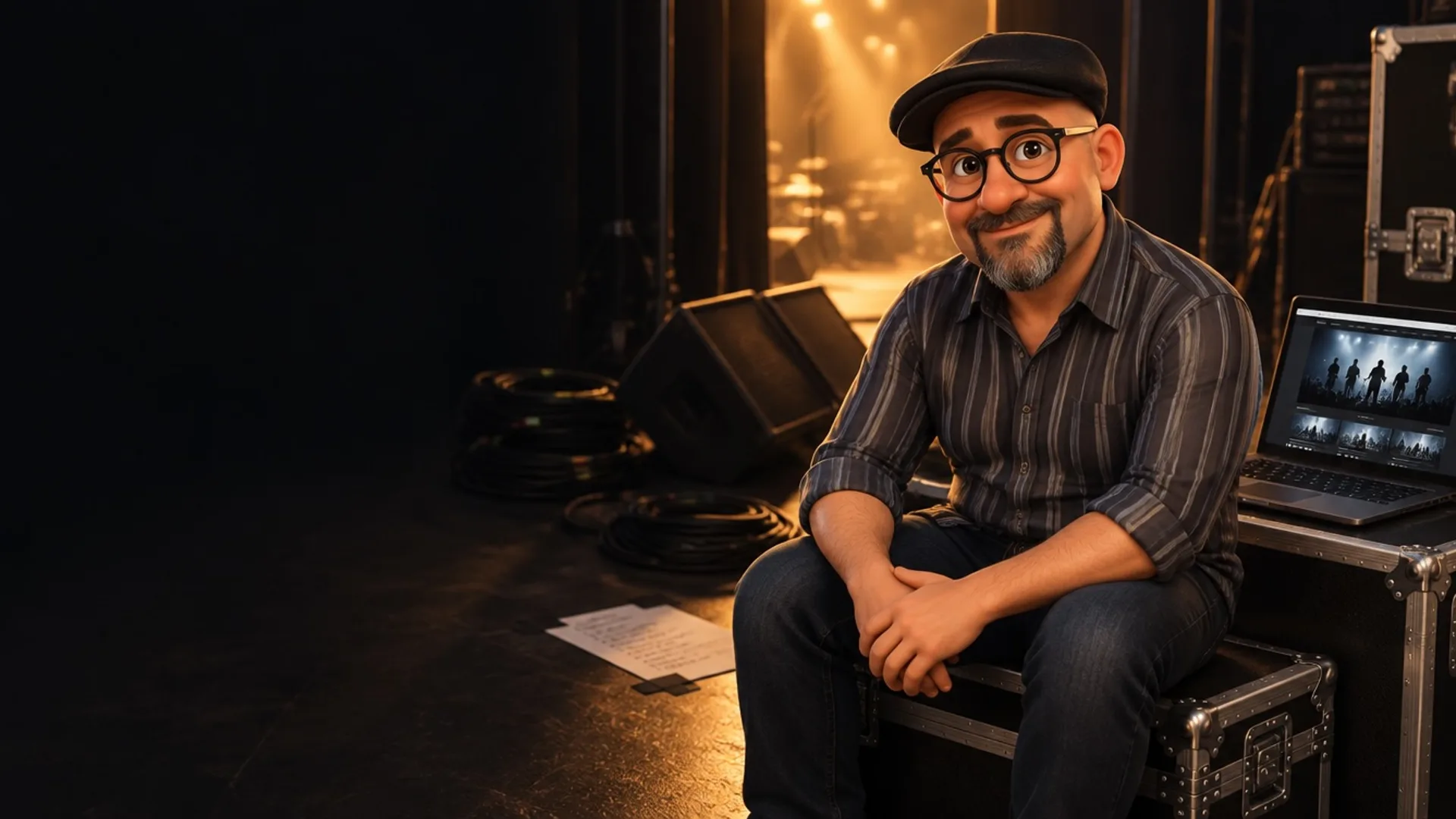
The last case goes in the van at one in the morning. Somebody says “that was a good one,” everybody agrees, and you drive home.
Then nothing happens for five months.
The gig is not over when you load out. It is over when you have either got the next date or found out you are not getting one. And the window for that is about two days, while the manager still remembers a full bar and a room that did not empty at eleven.
The Gig Isn’t Over at Load-Out
Here is what is happening on the other side of the bar.
The venue had a decent Saturday. Tomorrow they are back to ordering kegs and fixing the schedule, and by Wednesday your band is one of maybe eight acts they saw that month. The specific memory of your night starts fading immediately.
A short message on Sunday or Monday lands while that memory is still sharp. The same message two weeks later is a cold pitch from a band they vaguely liked.
Two days. That is the whole timing strategy, and it is most of why this works.
The Thank-You Message
Short, warm, and specific. Email or text, whichever you used to book the gig.
Hi Sam,
Thanks again for Saturday. Genuinely a good room, and your bar staff were great with us at load-in. We had a handful of people come up after asking when we’re back.
Anything we can do to make the next one easier on your end, just say the word.
Thanks, Jon
Look at what is in there. A thank-you, one specific detail that proves you were paying attention, a small honest signal that the night worked, and an offer to be easy.
What is not in there: any complaint about the sound, the payout, or the crowd size. Save all of that for the van ride. A follow-up is not the place, and a booker who gets one gripe remembers it longer than the compliment.
Name a person if you can. “Thanks to whoever” lands like a form letter.
Send Them Something They Can Post
This is the part almost nobody does, and it is the part that makes you memorable.
Attach two or three photos from the night, or a short clip. Give them explicit permission to use it. The venue now has content for their own socials that costs them nothing, and their post about your show promotes both of you.
Grabbed a few decent shots from the second set, attached. Use whatever you want, no credit needed.
That one line turns you from a band that played into a band that helps. Venues have to post something every week and most of them are scraping for material.
It works even better if the photos have the room in them. A picture that says “this bar was full on a Saturday” is exactly what the venue wants to show, and your name is on it.
The same photos feed your own posts around the show, so you are shooting them anyway.
Ask for the Next Date
Now the ask, and it goes in the same message or the one right after it.
Be specific. “We’d love to come back sometime” is not a question, and it will not get an answer. Name a month.
Are you booking February yet? We’d love to get back in, and we’re pretty open that month.
A month is easy to answer. They either are or they are not, and if they are not they will usually tell you when they will be. Now you have a date to follow up on, which is worth more than a vague good feeling.
If they say yes, get it confirmed in writing before you celebrate, with the date, the time, and what you are being paid.
If they say the calendar is full, ask one follow-up question: when should you check back? Then check back exactly then. A band that follows up on the day they said they would is a band that gets treated like a professional.
Write It Down Either Way
The last step takes thirty seconds and it is the one that compounds.
Log it. The venue, who you talked to, the date you played, what you sent, what they said, and when to check in next. A notes app is fine to start.
Do that after every gig for a year and you stop relying on memory, which is the thing that actually kills follow-ups. Nobody forgets on purpose. They forget because the information lived in four text threads and one person’s head.
There is a simple structure for this that scales past a notes app. For now, write it down somewhere you will look again.
The bands that stay booked are rarely the ones who played the best show that month. They are the ones who said thank you on Sunday, sent a photo the venue could use, asked about February, and wrote down the answer.