


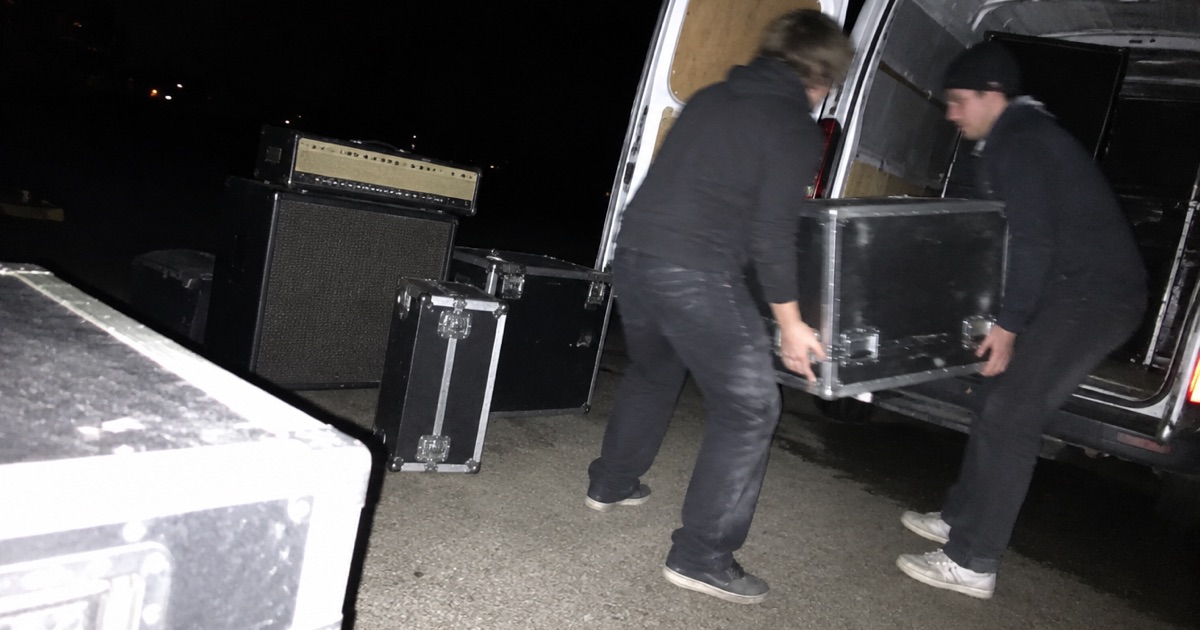
It is quarter past one. The room is empty, the house lights are up, and everybody wants to be home.
This is the most valuable twenty minutes of your night.
Not because of what you play. Because of who is standing there with you. The sound engineer, the other band, the bar staff, whoever is locking up. Every one of them will describe your band to somebody else at some point, and what they say is being decided right now, while you either help or disappear.
The Class Music School Skipped
Nobody teaches this. There is no course in being someone people want to work with again.
So players spend years getting better at their instrument, which is the right thing to do, and zero time on the thing that actually moves a calendar. Relationships book more gigs than pitches do. It is not close.
Think about your own last six months of work. How many of those came from a cold email, and how many came from somebody who already knew you and vouched for you?
I learned this the long way round. In the web business, almost none of my work has ever come from advertising. It comes from somebody I did a good job for telling somebody else. Bands run on exactly the same fuel, and load-out is where a lot of it gets made.
The Sound Engineer Talks to Every Booker
Start here, because this is the relationship most bands never think about.
The engineer sees every act that comes through the room. They talk to the manager constantly, often more than the booker does. And they are asked, casually and often, whether a band was any good to work with.
You want the answer to be a shrug and “yeah, they were easy.” That is the highest praise in this business.
Getting it costs almost nothing. Show up at the time you said. Hand them a stage plot before they have to ask for it. Do not argue about the monitor mix in front of a room. Say thank you by name at the end of the night.
And help with the cable. Seriously. Coiling a few lines while they break down the board takes four minutes and it is remembered for years.
The Other Band Is Your Next Referral
The act you shared the bill with is not competition. They are the most likely source of your next three gigs.
They play rooms you do not. They get asked to recommend openers. They occasionally need a sub, and they hear about festivals and private events that never get advertised.
So talk to them. Watch some of their set instead of sitting in the van. Say something specific about it afterward, because “good set” is nice and “that arrangement of the third song was great” is memorable.
Then swap contact details before anybody leaves, and follow their band account the same night while you are still standing in the parking lot. Not next week. You will not do it next week.
Sharing their posts costs you nothing and puts you in front of their audience at the same time. Generosity here is not a tactic, but it does behave like one.
Leave the Room Better Than You Found It
A short list, and all of it is free.
- Get your gear off the stage promptly so the next act or the closing crew can work.
- Take your empties and your set lists with you.
- Tip the bartender who looked after you all night.
- Say goodnight to whoever is locking up, by name if you know it.
- Do not haggle over the payout at one in the morning in front of staff.
None of that is remarkable. That is the point. Being unremarkable at load-out is a reputation worth having, because the bands people remember at one in the morning are usually the ones who caused a problem.
Follow Up Like a Professional
The night ends, and then two things happen on Sunday.
The first is the venue, and that is the message that gets you rebooked. Short, warm, specific, with something they can post.
The second is everybody else. A one-line message to the other band saying you enjoyed the night and would happily share a bill again. A quick note to the engineer if they went out of their way. Thirty seconds each.
Almost nobody does the second one, which is exactly why it works.
Do this for a year and something quiet happens. Your name starts coming up in rooms you have never played, in conversations you are not part of, from people who have no particular reason to help you except that you were good company at one in the morning.